
AP1000® Technology
The future of nuclear energy
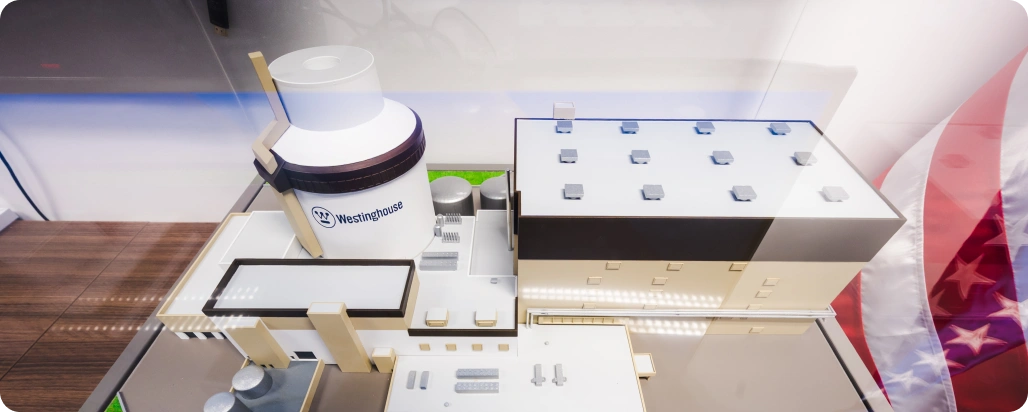
AP1000® - pressurized water reactor
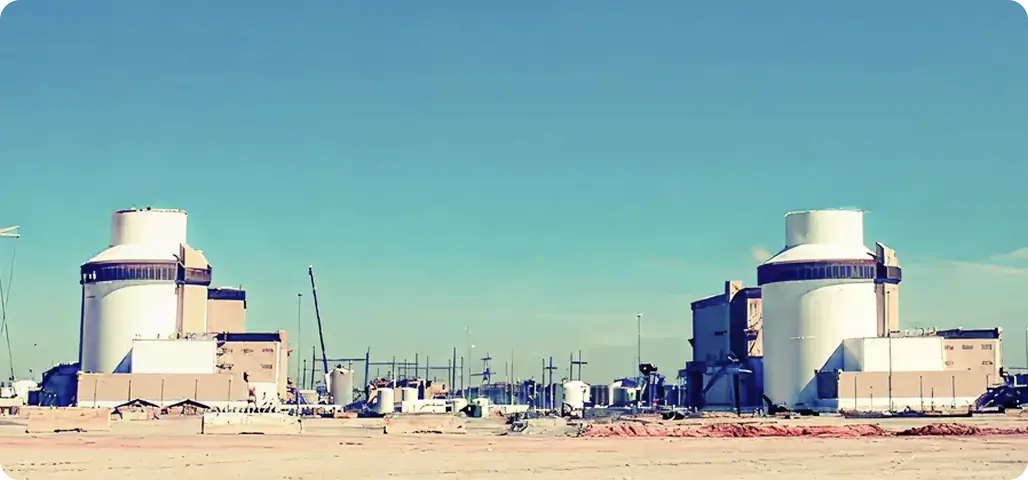
The construction of new Units 7 and 8 at the Kozloduy site is a priority for the national energy sector and the economic development of Bulgaria. The technology selected for the new nuclear power plant units is AP1000—one of the most advanced Generation III+ reactor designs developed by Westinghouse. Each unit has an electrical output of around 1,200 MWe and is designed to provide reliable electricity generation for decades.
Proven technology
The AP1000 technology features fully passive safety systems that use natural forces such as gravity, pressure and natural circulation to naturally maintain reactor cooling without human intervention, even in emergency situations. The simplified, modular design allows for faster construction, smaller footprint, higher reliability and optimized operating costs.
Advanced and proven in practice
1200 megawatts of electrical capacity (MWe)
 Safety innovator
Pioneer of fully passive nuclear safety systems. Extensive experience of licensing with global nuclear regulators
 Proven technologies
Breaking performance records across the AP1000 fleet worldwide
 Cost effective
Simplified, modular design means lower construction, operating and maintenance costs
 Flexibility
Follows changes in the grid load and enables integrated operation with RES
With passive nuclear safety systems
The AP1000 reactor has a unique capability to respond to extreme events, such as those at Fukushima
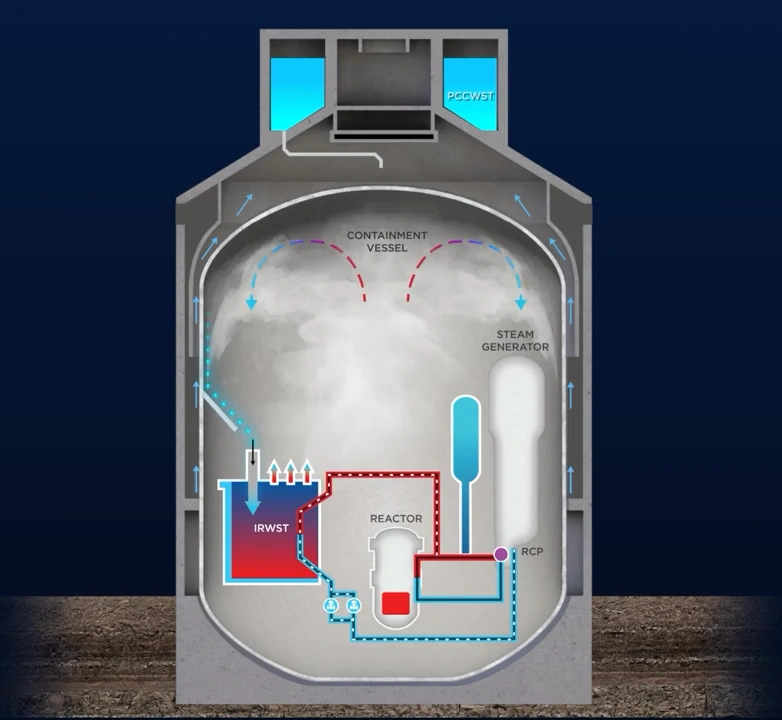
Self-actuation
- In the event of a station blackout, critical systems, structures and components automatically achieve a fail-safe configuration without operator action or AC/DC power.
Self-sufficiency
- Passive nuclear safety systems eliminate the dependence on AC power and external cooling supply for 72 hours.
Self-contained
- The systems, structures and components ensuring the safe shutdown of the reactor are protected within a containment vessel located in a robust shield building.
Source - https://navigator-voyantstudios.com/i-ap1000pwr-2.html
Cost effective
The technology's simplified design means lower construction, operating and maintenance costs.
50%
Fewer valves
35%
Fewer pumps
80%
Less pipe
80%
Fewer heating, ventilation and cooling units
45%
Less seismic building volume
85%
Less cables
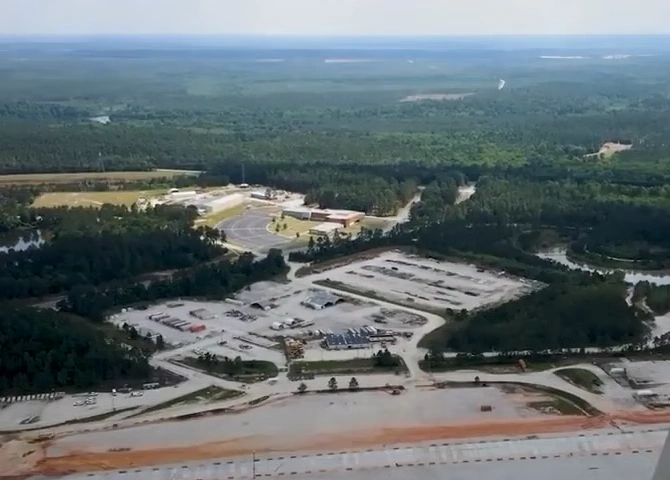
Designed to be flexible
- Improved response to peak demand – the technology enables rapid power ramp-up when electricity demand increases;
- Suitable for liberalized markets – price and demand change dynamically;
- Integration with renewable sources – AP1000 can compensate for fluctuations in solar and wind generation, providing stable baseload power;
- Opportunities for synergy between the new nuclear capacity and the RES sector in Bulgaria.
Source - https://navigator-voyantstudios.com/i-ap1000pwr-2.html
Global presence
6
Units in operation
12
Under construction
14
Contracted

Source - https://navigator-voyantstudios.com/ap1000_pwr-worldwide/index.html
Application versatility
Flexible performance provides a capability to stabilize modern renewable heavy electric grids, including fast load change capabilities to support fluctuations in demand
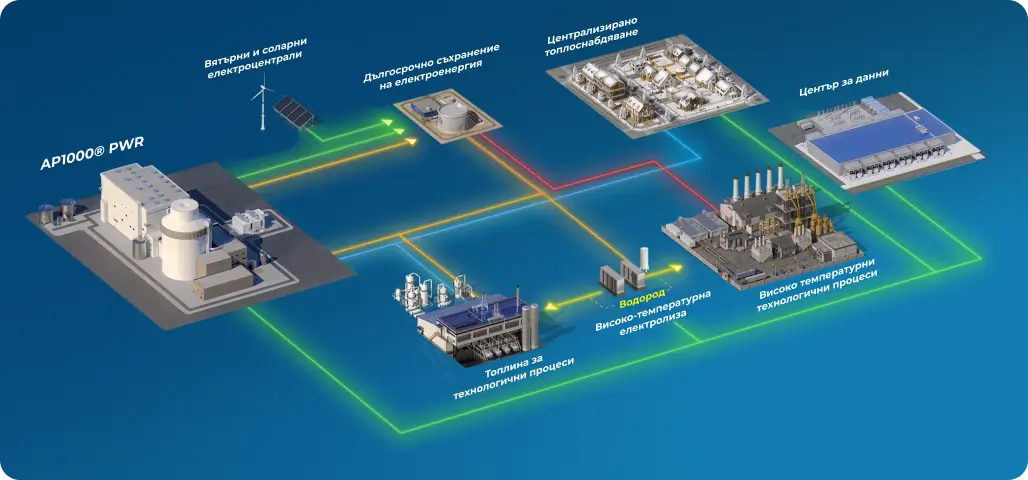
High temperature
Medium temperature
Low temperature
Electricity
Source - https://navigator-voyantstudios.com/i-ap1000pwr-2.html
AP1000® – Generation III+ Pressurized Water Reactor
The AP1000® is a Generation III+ pressurized water reactor designed with fully passive nuclear safety systems and an electrical output of 1200 MWe.
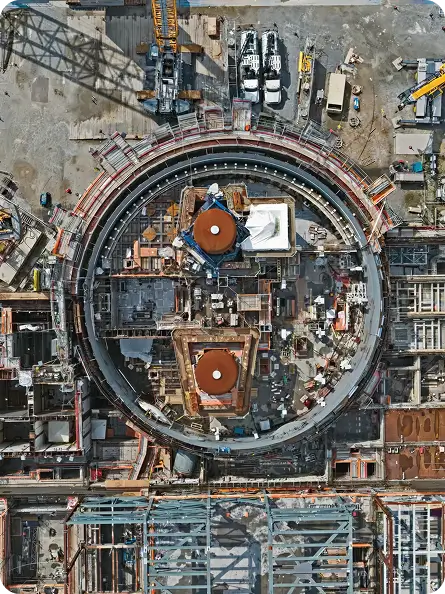
Proven and reliable technology
The technology is proven in practice, with strong operational performance, capacity factor of over 90% and licensing approval by nuclear regulators in multiple countries.
Passive safety
One of the key advantages of the AP1000® is its ability to automatically transition to a safe state in extreme situations, including a complete loss of power supply, without operator intervention.
Cost efficiency
The reactor's simplified modular design means lower construction, operating and maintenance costs, thanks to a smaller number of systems, components and infrastructure.
Source - https://westinghousenuclear.com/new-plants/ap1000-pwr/
Flexibility
The AP1000® is designed to operate flexibly and follow changes in the grid load, making it well suited for modern power grids and integration with renewable energy sources.
Source - https://westinghousenuclear.com/new-plants/ap1000-pwr/
Application versatility
In addition to electricity generation, AP1000® offers capabilities for:
- District heating
- Data center power supply
- Process heat for industry
- Hydrogen production
Licensing plan
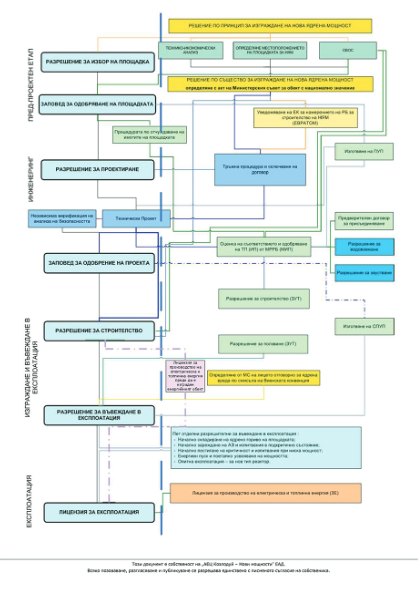
The licensing procedure can be broadly divided into administrative and technical components, in line with the types of permits and licensing regimes, as well as the competent regulatory authorities responsible for their issuance and the respective stages of the process.
In general terms, for each activity the investor intends to carry out, they must apply for authorization, submitting a corresponding plan outlining what will be done and how it will be implemented.
These documents are reviewed and assessed, after which authorization may be granted to proceed with the respective activity.
Once the authorized activity is completed, all results are submitted to the BNRA for review and potential approval.
This robust and complex structure ensures that safety oversight is in place and no compromises are made regarding the quality of the work performed.
